Heilige Kuh
© Kim Hübner
Aufnahmeort und Aufnahmejahr

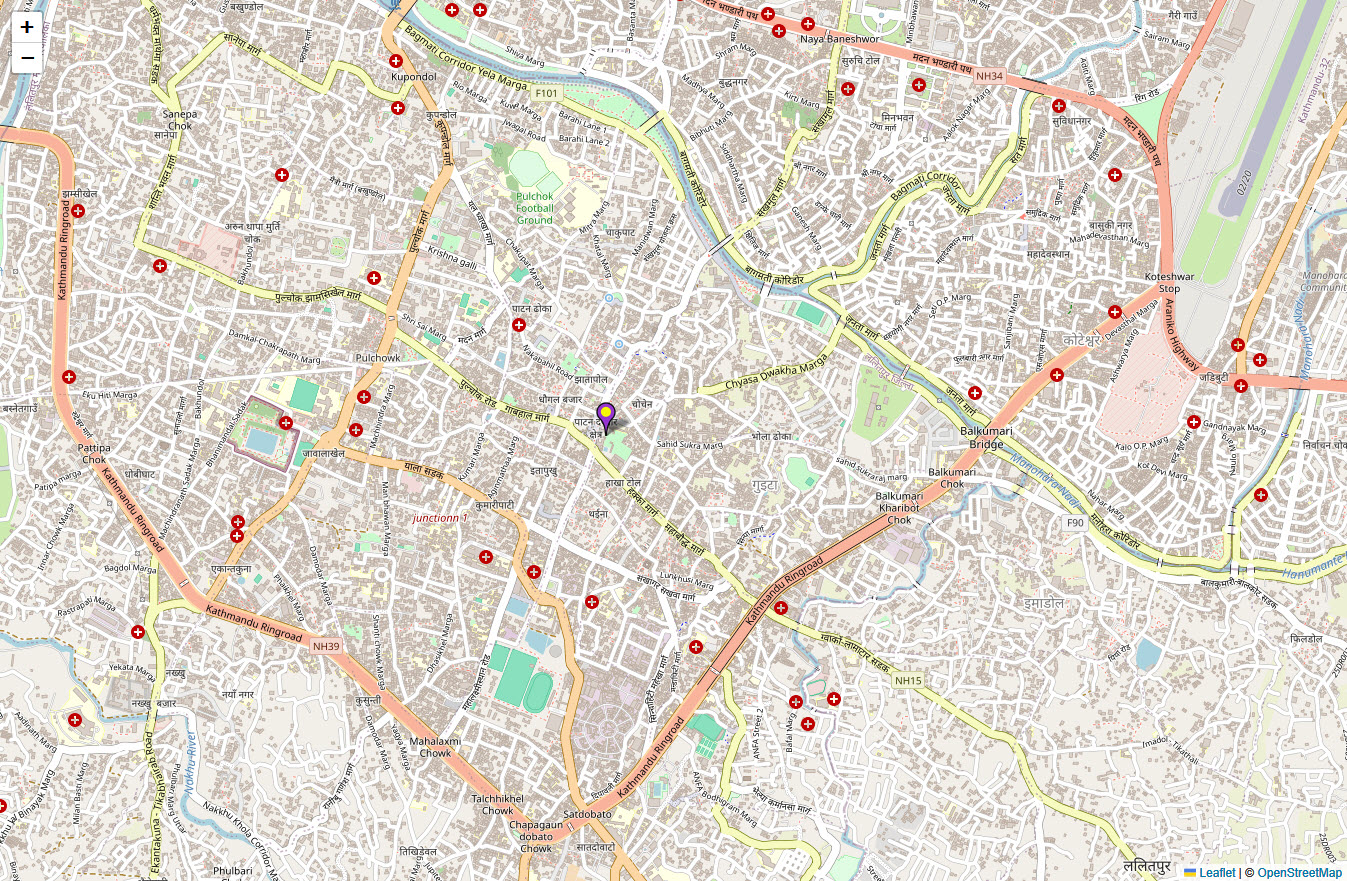
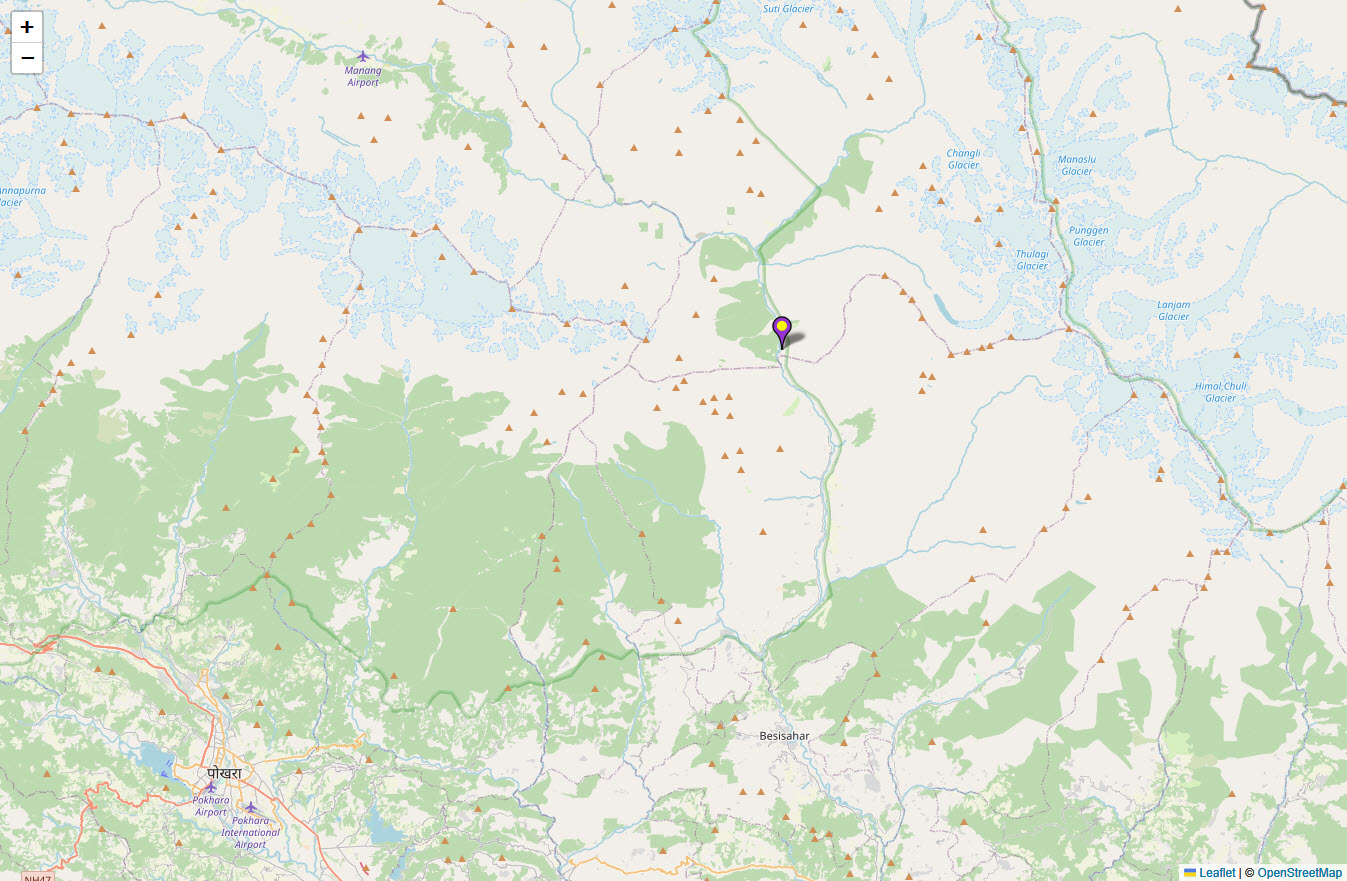
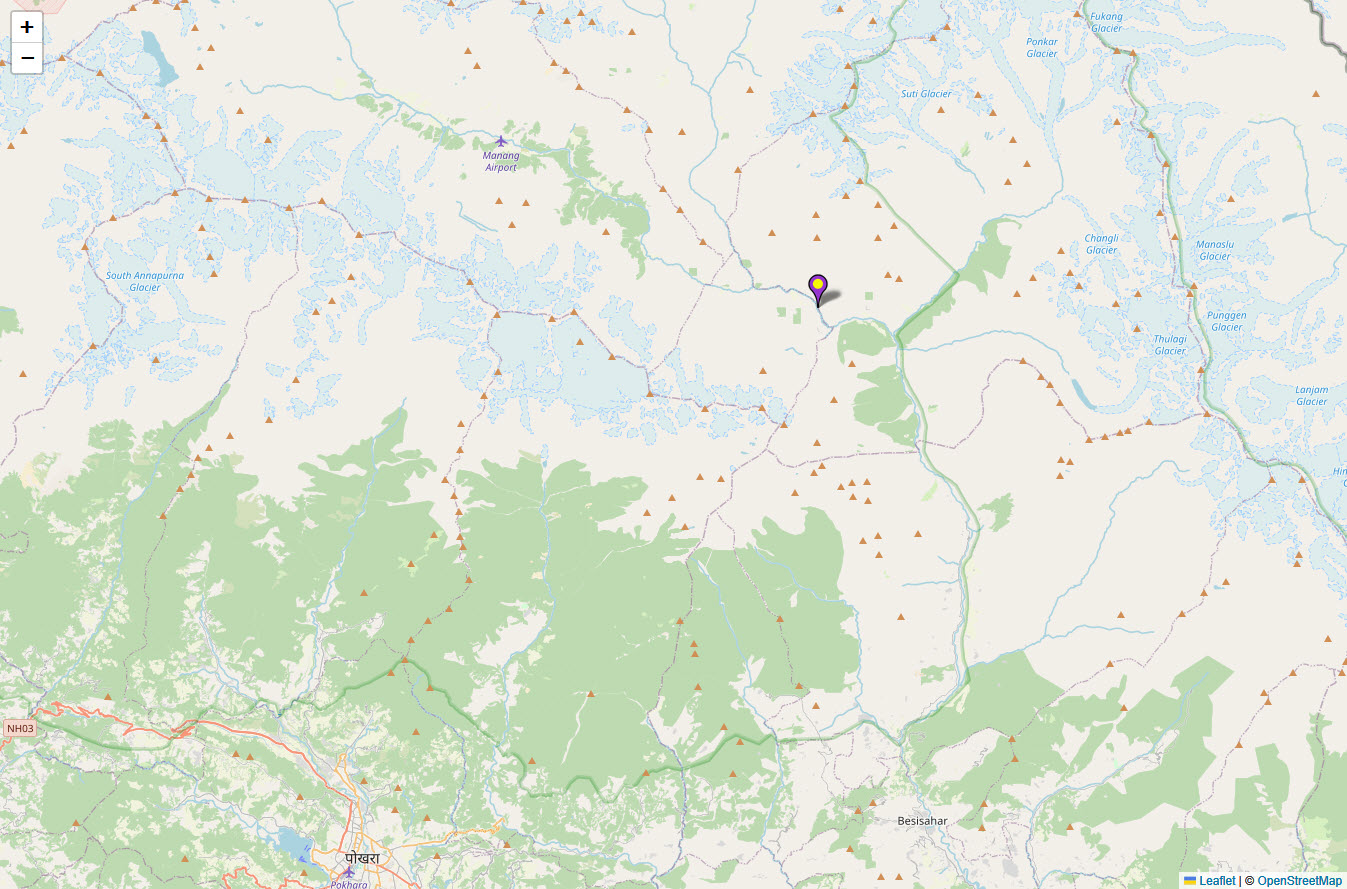
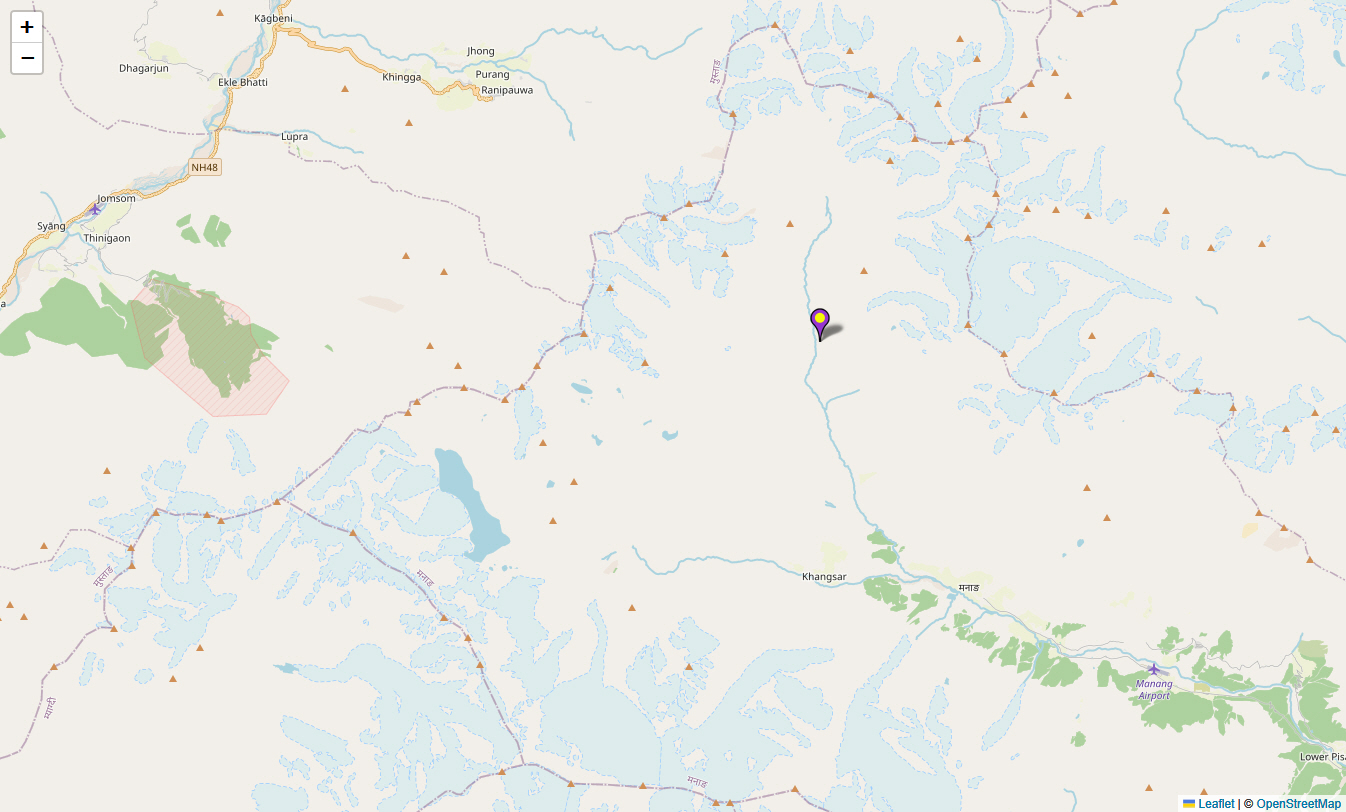
Durban Square in Patan, im Katmandutal, Nepal, 1988
Bilderläuterung / Image description
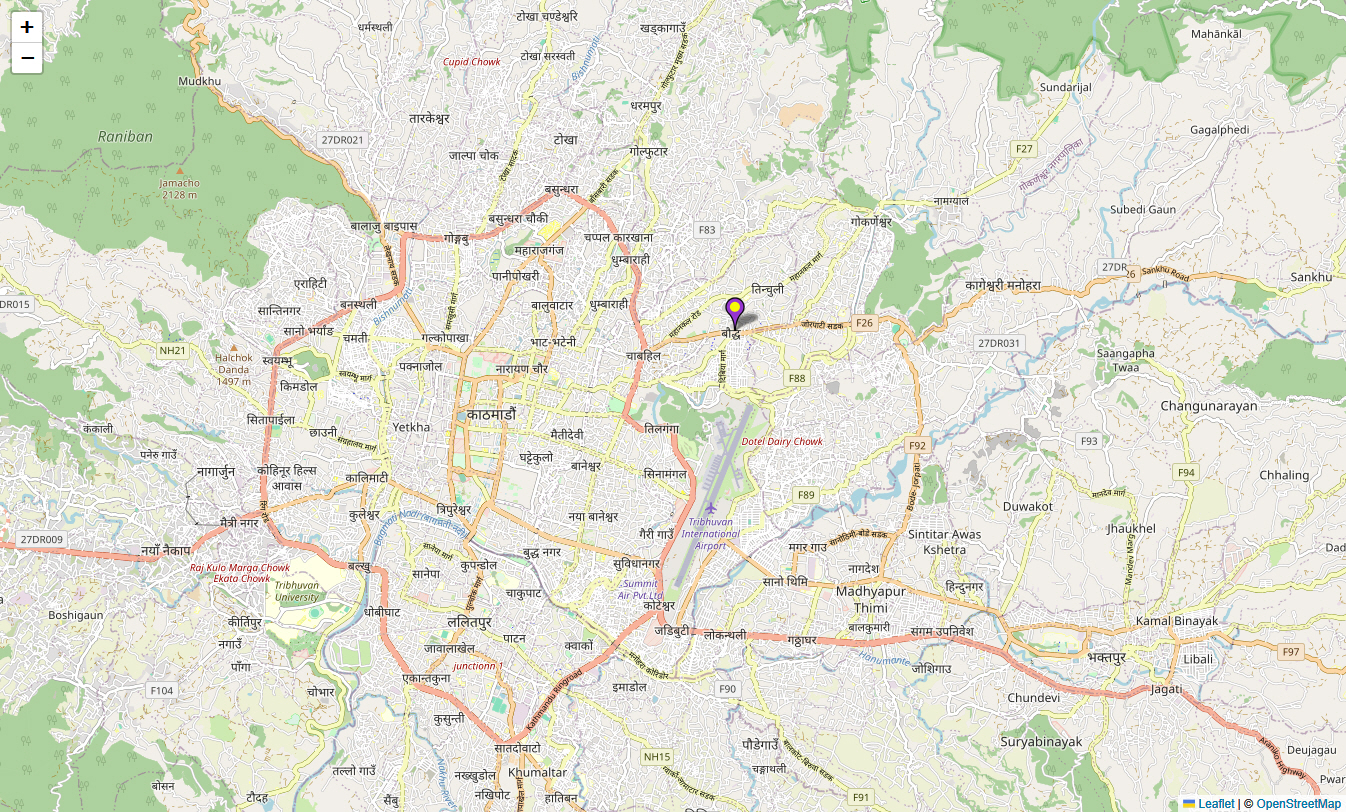
Während meiner ersten Nepal-Reise mit Rainer im Jahr 1988 verbrachten wir die erste Woche in Kathmandu und erkundeten das Kathmandutal. Neben Ausflügen in die nähere Umgebung lohnten sich natürlich neben Kathmandu selbst auch die beiden anderen Königsstädte, Patan und Bhaktapur.
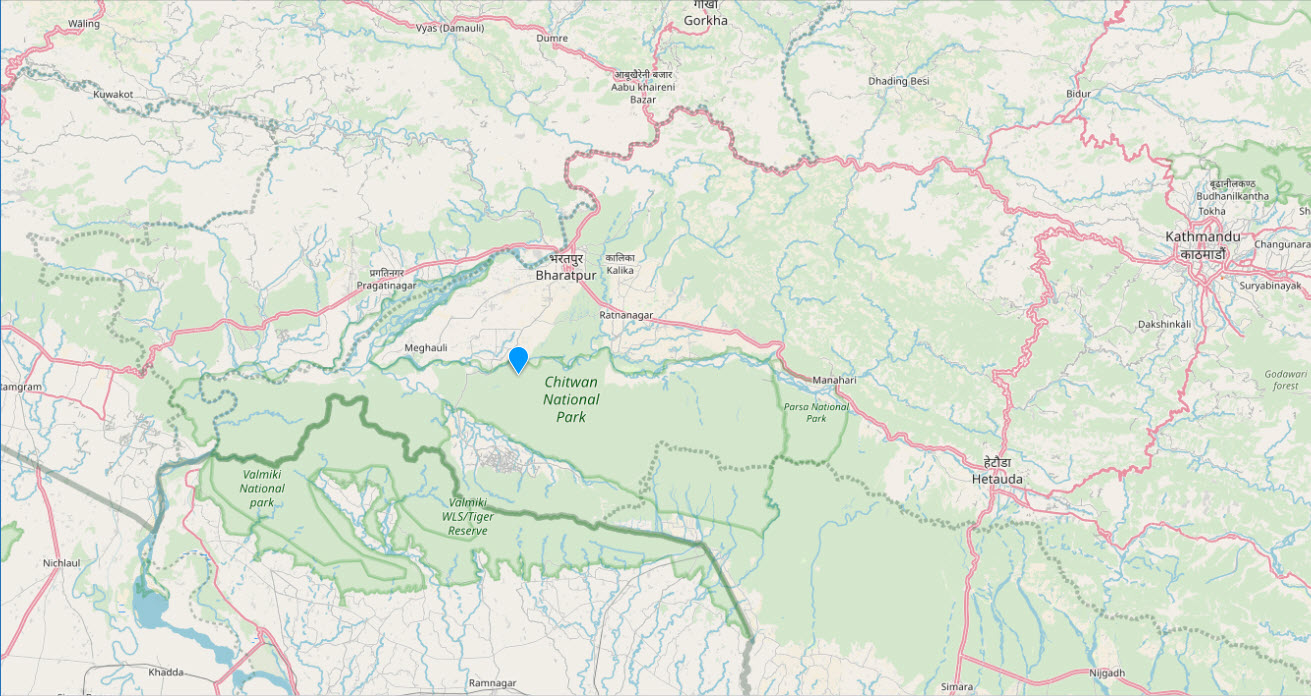
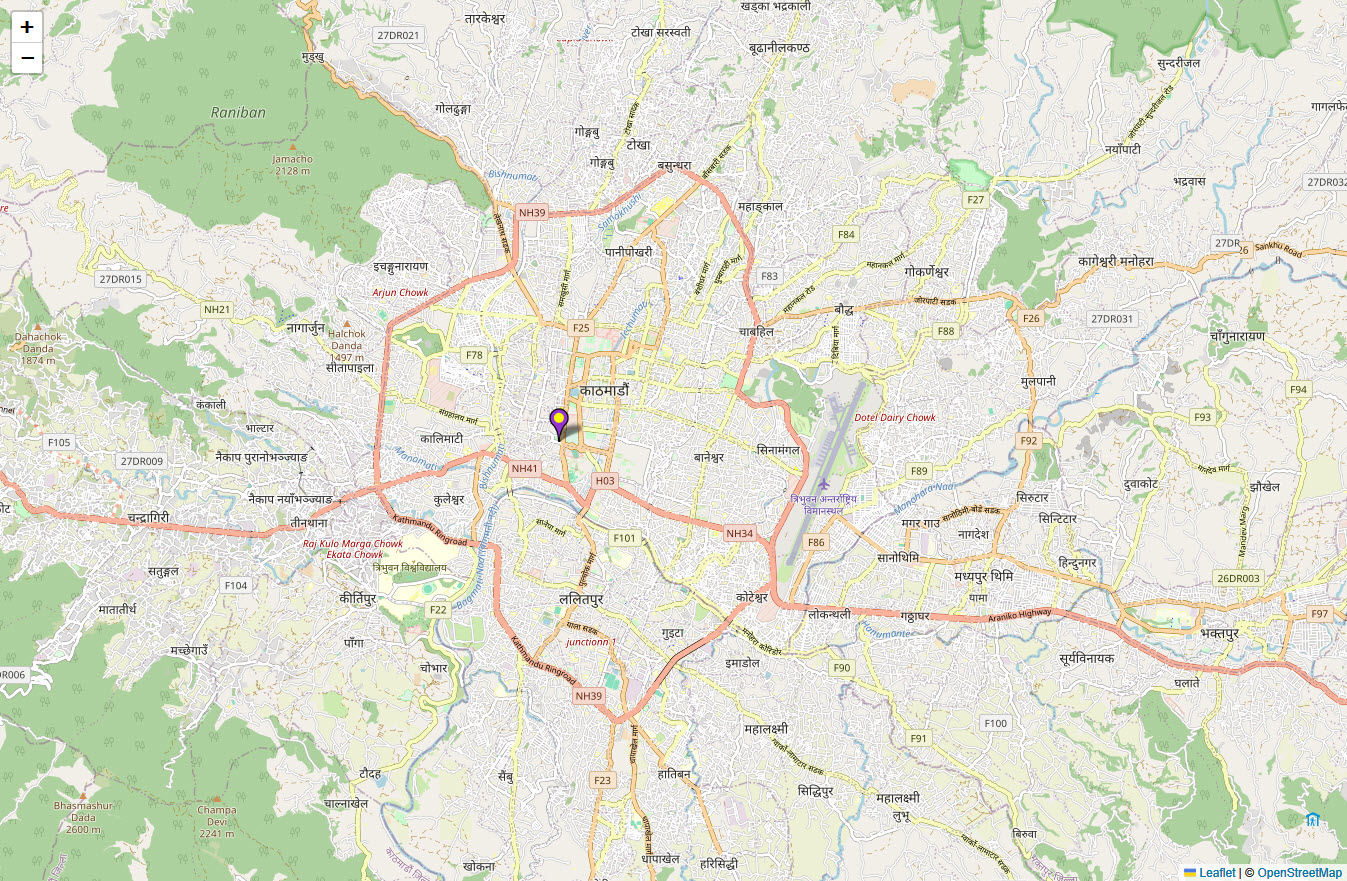
Patan, auch bekannt als Lalitpur, liegt am Südufer des Bagmati-Flusses und bildet mit Kathmandu eine Art Doppelstadt. Um das Jahr 1.000 war Patan mit etwa 100.000 Einwohnern sogar die zehntgrößte Stadt der Welt. Sie gilt als die älteste Stadt im Kathmandutal und war über viele Jahrhunderte hinweg die Hauptstadt eines eigenen Königreiches, das erst im Jahr 1768 in das Königreich Nepal eingegliedert wurde.
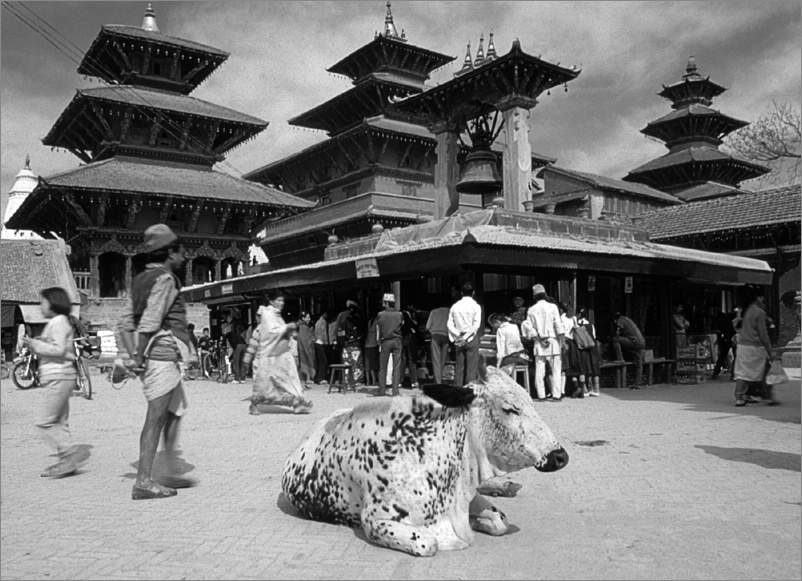
Bei unserem Tagesausflug nach Patan besuchten wir selbstverständlich auch den Durbar Square (Palastbezirk) mit seinen Palästen und Pagoden, wo das Leben pulsiert. Eine heilige Kuh ruhte sich dort gerade aus, während um sie herum das Leben weitergeht und die Menschen zu den Marktständen und Tempeln (Pagoden) strömten.
Sacred cow
Durban Square in Patan, in the Kathmandu Valley, Nepal, 1988
During my first trip to Nepal with Rainer in 1988, we spent the first week in Kathmandu and explored the Kathmandu Valley. In addition to excursions in the surrounding area, the two other royal cities, Patan and Bhaktapur, were of course also worth visiting.
Patan, also known as Lalitpur, is located on the south bank of the Bagmati River and forms a kind of twin city with Kathmandu. Around the year 1000, Patan was even the tenth largest city in the world with a population of around 100,000. It is considered the oldest city in the Kathmandu Valley and was the capital of its own kingdom for many centuries, which was only incorporated into the Kingdom of Nepal in 1768.
During our day trip to Patan, we naturally also visited Durbar Square (palace district) with its palaces and pagodas, where life pulsates. A sacred cow was resting there, while life continued around it and people flocked to the market stalls and temples (pagodas).