Mount Nebu
© Kim Hübner
Aufnahmeort und Aufnahmejahr

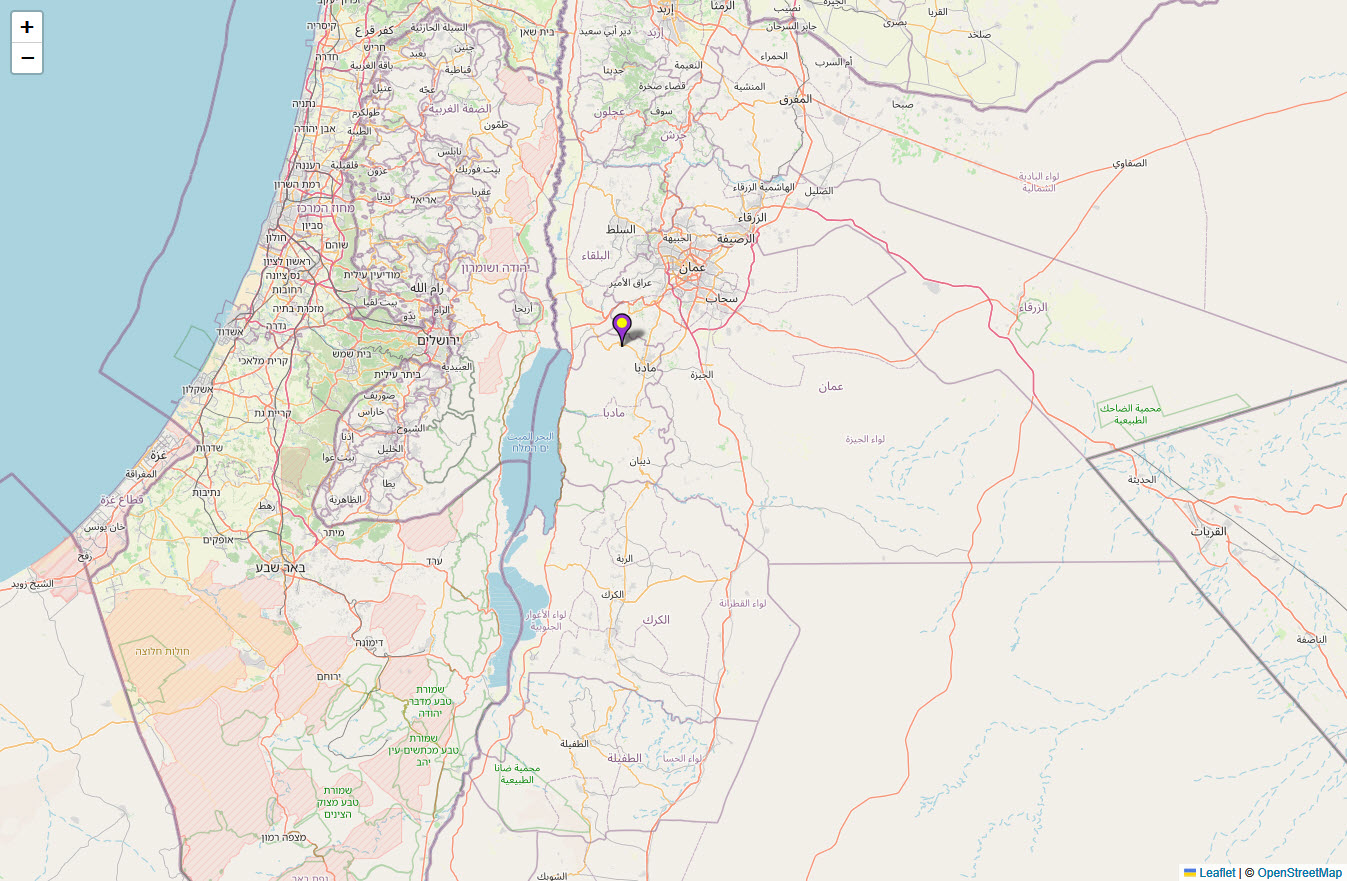
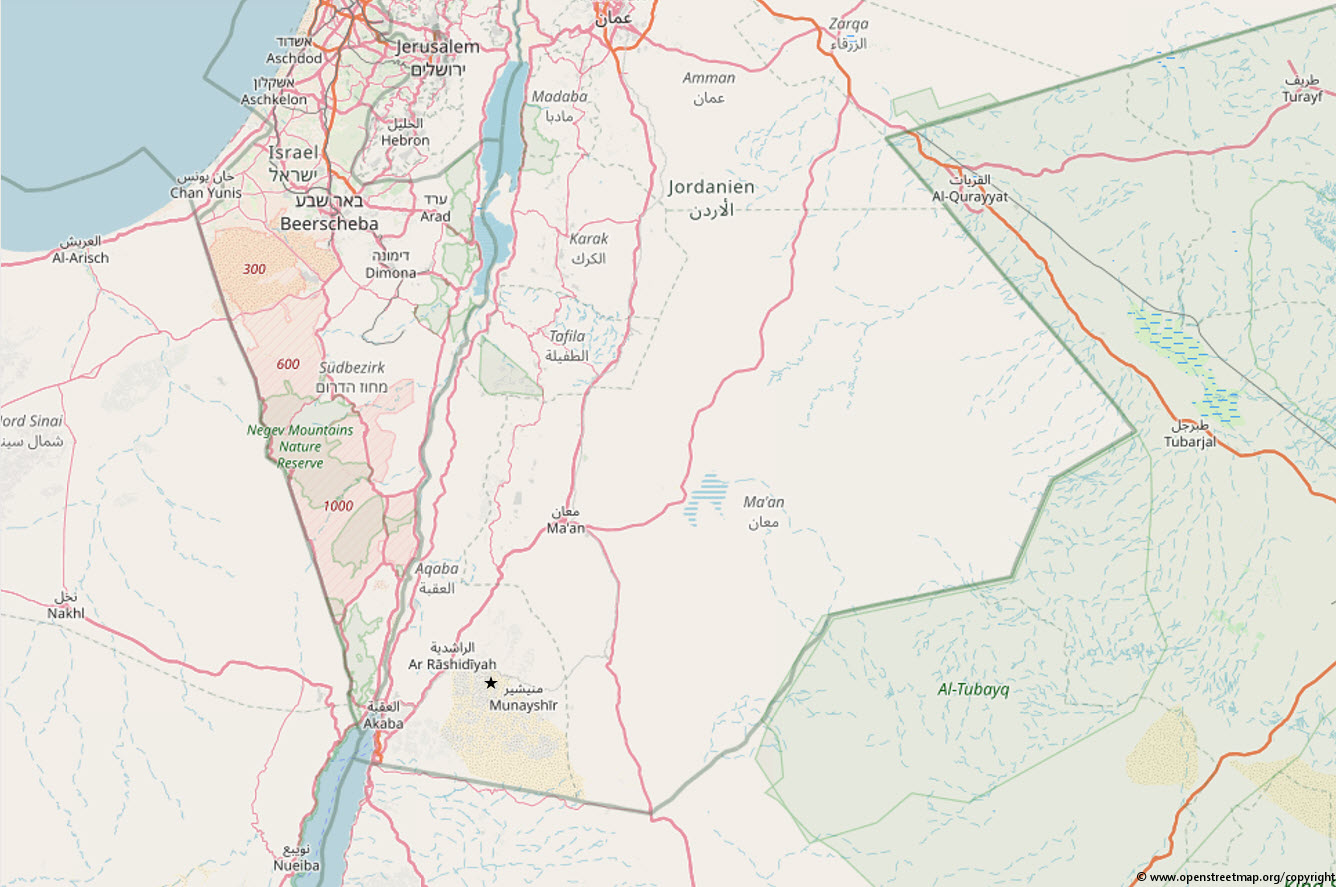
Mādabā, Jordanien, 2004
Bilderläuterung / Image description
Der Berg Nebo ist Teil eines Hochplateaus, das zum Toten Meer hin abfällt. Mit einer Höhe von 808 m ü. NN bietet er eine Aussicht in das Jordantal, auf das Tote Meer sowie auf Palästina und Israel.
Laut dem fünften Buch Mose des Alten Testaments ist der Berg Nebo jener Ort, von dem aus Mose das Gelobte Land sehen und es den Israeliten zeigen durfte. Ihm selbst war es jedoch nicht gestattet, hinüberzugehen, und er starb dort. Einer Legende zufolge wurde der Prophet Mose auch auf diesem Gipfel begraben.
Bereits vor dem 4. Jhr. verehrte man diese Stelle als Grab Moses. Ab dem 4. Jhr. wurde der Wallfahrtsort ständig weiter ausgebaut und eine Kirche errichtet, die seither mehrmals umgestaltet wurde. Im 7. Jahrhundert war der Gipfel des Nebo ein häufig besuchtes Ziel von Pilgern. Von der ursprünglichen Kirche sind nur wenige Überreste erhalten – hauptsächlich Steinblöcke und Teile des Mosaikbodens. Nach der Islamisierung blieb der Ort eine Kultstätte, wurde aber später verlassen. Erst ab 1932 wurde die byzantinische Basilika innerhalb der Grundmauern des alten Klosters restauriert.
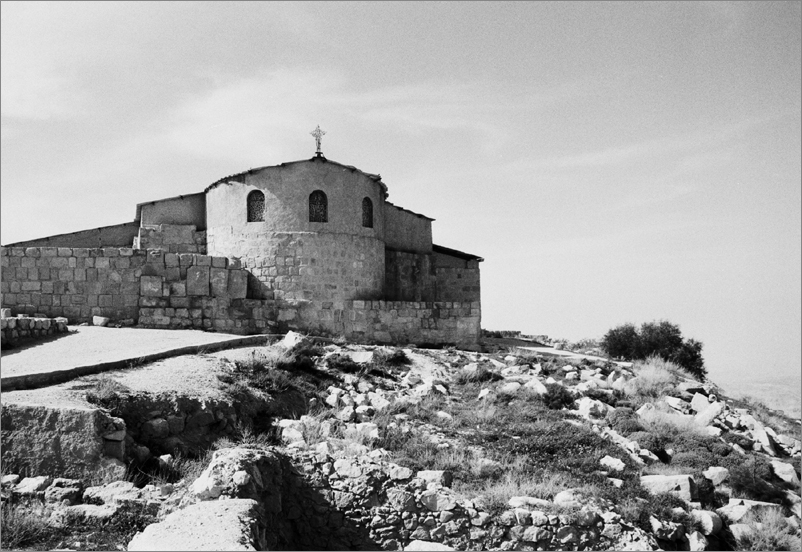
In den 1960er Jahren wurde eine moderne römisch-katholische Basilika errichtet, die zugleich die byzantinischen Ruinen und die Mosaiken schützen sollte. Diese ist auf dem vorliegenden Bild von 2004 abgebildet. Seitdem wurden weitere umfangreiche Umbaumaßnahmen vorgenommen. Seit 2016 ist die neu konzipierte Moses-Memorialkirche wieder für die Öffentlichkeit zugänglich.
Mount Nebu
Mādabā, Jordan, 2004
Mount Nebo is part of a high plateau that slopes down to the Dead Sea. At a height of 808 metres above sea level, it offers views of the Jordan Valley, the Dead Sea, Palestine and Israel.
According to the fifth book of Moses in the Old Testament, Mount Nebo is the place from which Moses was allowed to see the Promised Land and show it to the Israelites. However, he himself was not allowed to cross over and died there. According to legend, the prophet Moses was also buried on this summit.
Even before the 4th century, this site was revered as the tomb of Moses. From the 4th century onwards, the pilgrimage site was continuously expanded and a church was built, which has since been redesigned several times. In the 7th century, the summit of Nebo was a frequently visited destination for pilgrims. Only a few remains of the original church have survived – mainly stone blocks and parts of the mosaic floor. After Islamisation, the site remained a place of worship but was later abandoned. It was not until 1932 that the Byzantine basilica within the foundation walls of the old monastery was restored.
In the 1960s, a modern Roman Catholic basilica was built to protect the Byzantine ruins and mosaics. This is shown in the present picture from 2004. Since then, further extensive renovations have been carried out. Since 2016, the newly designed Moses Memorial Church has been open to the public again.