Ausbruch des Stromboli
© Kim Hübner
Aufnahmeort und Aufnahmejahr

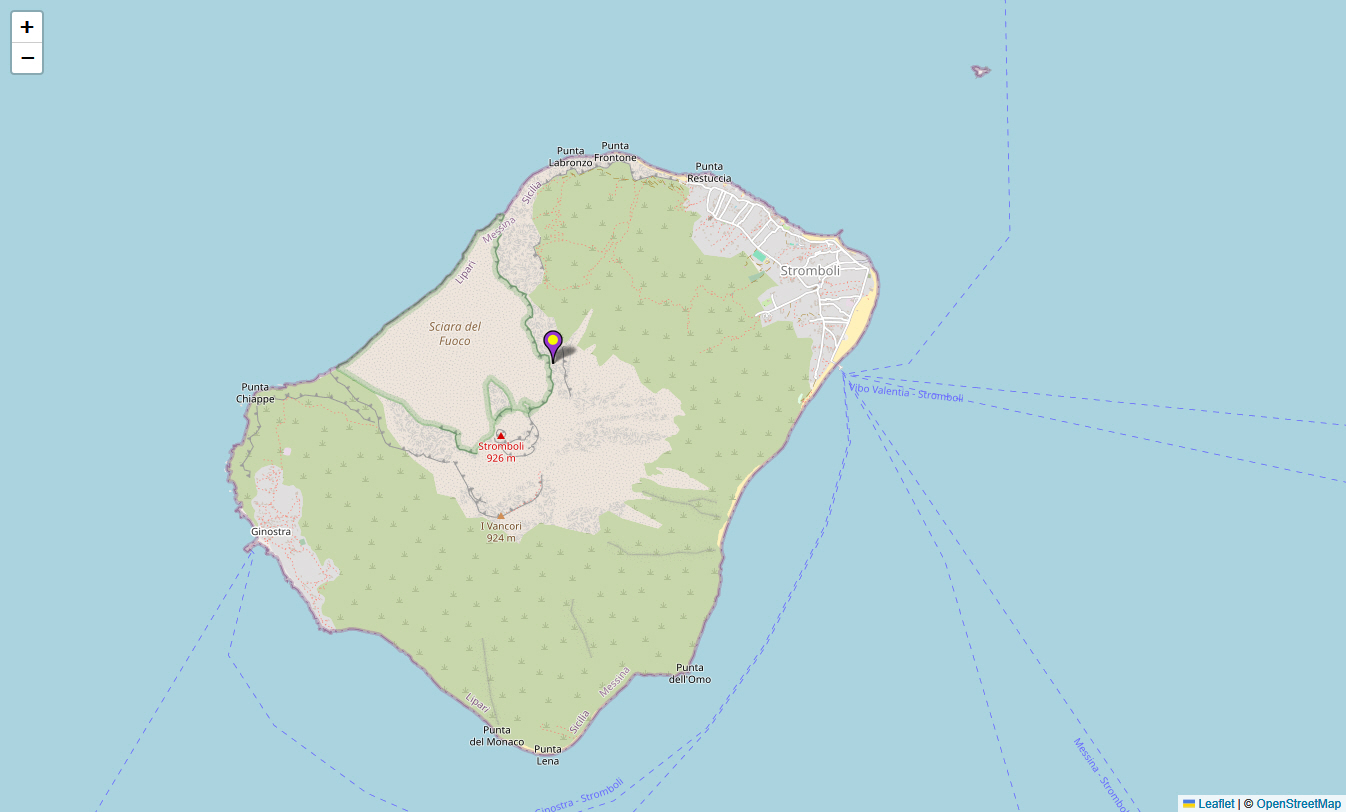
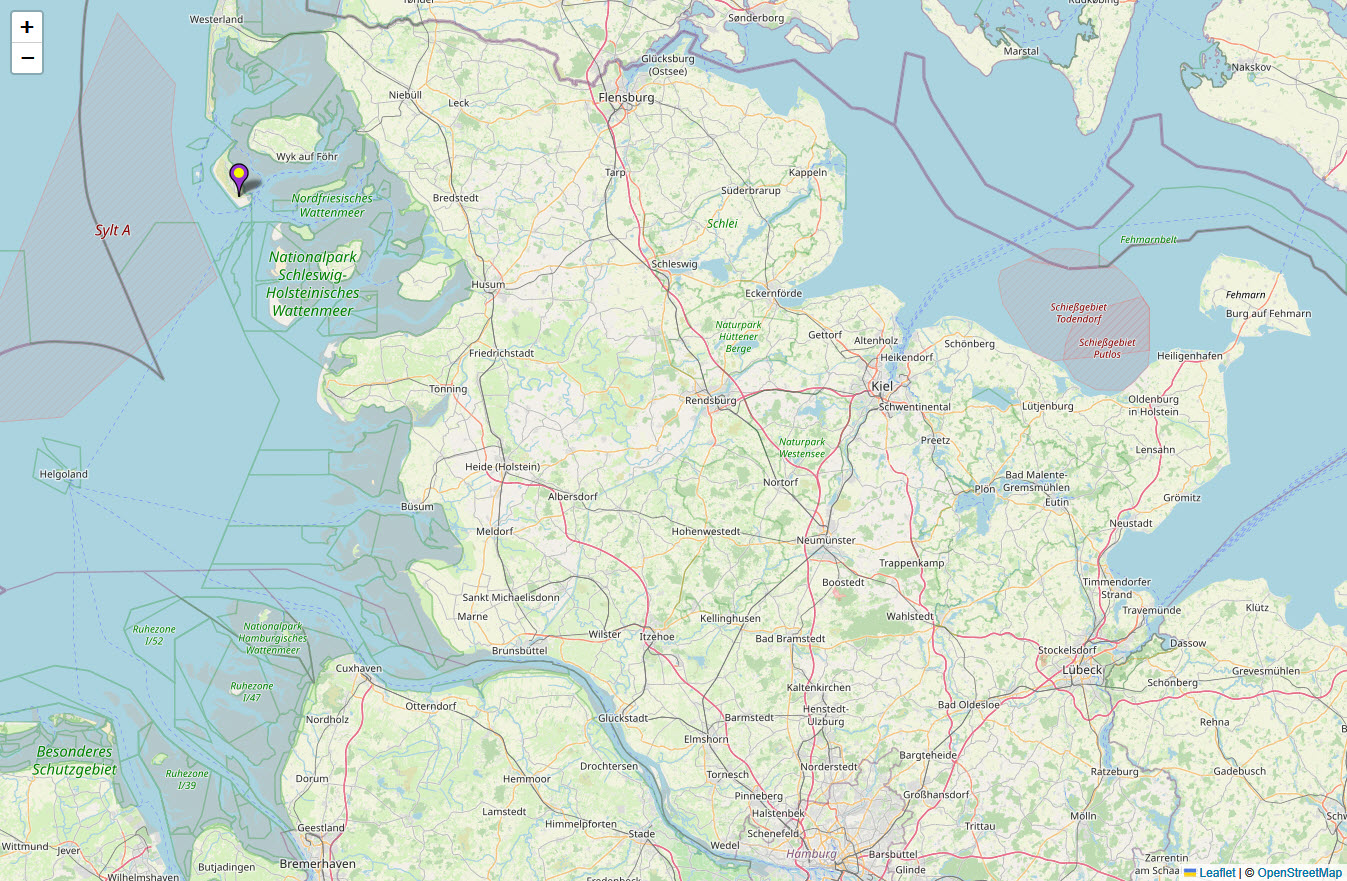
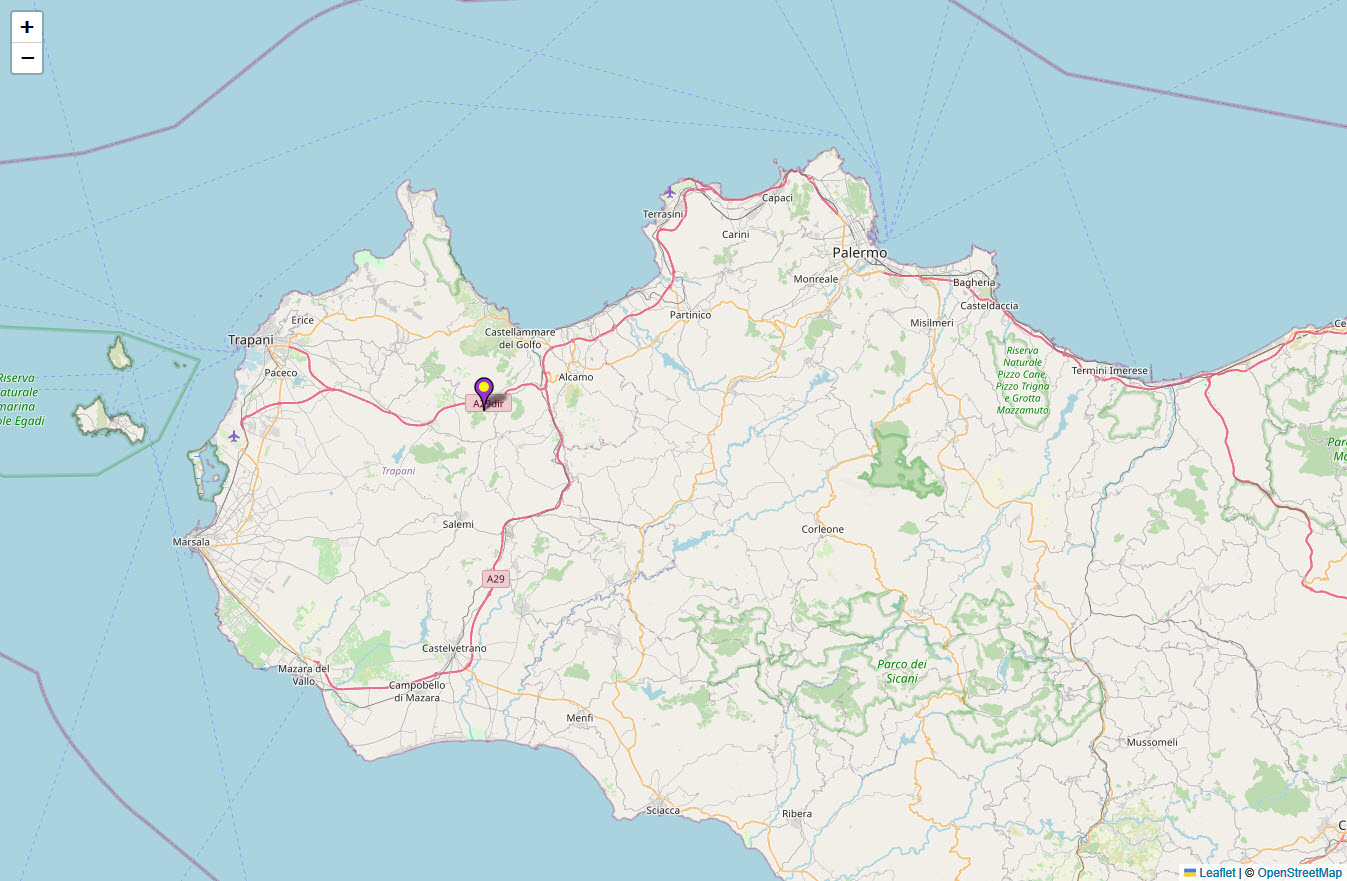
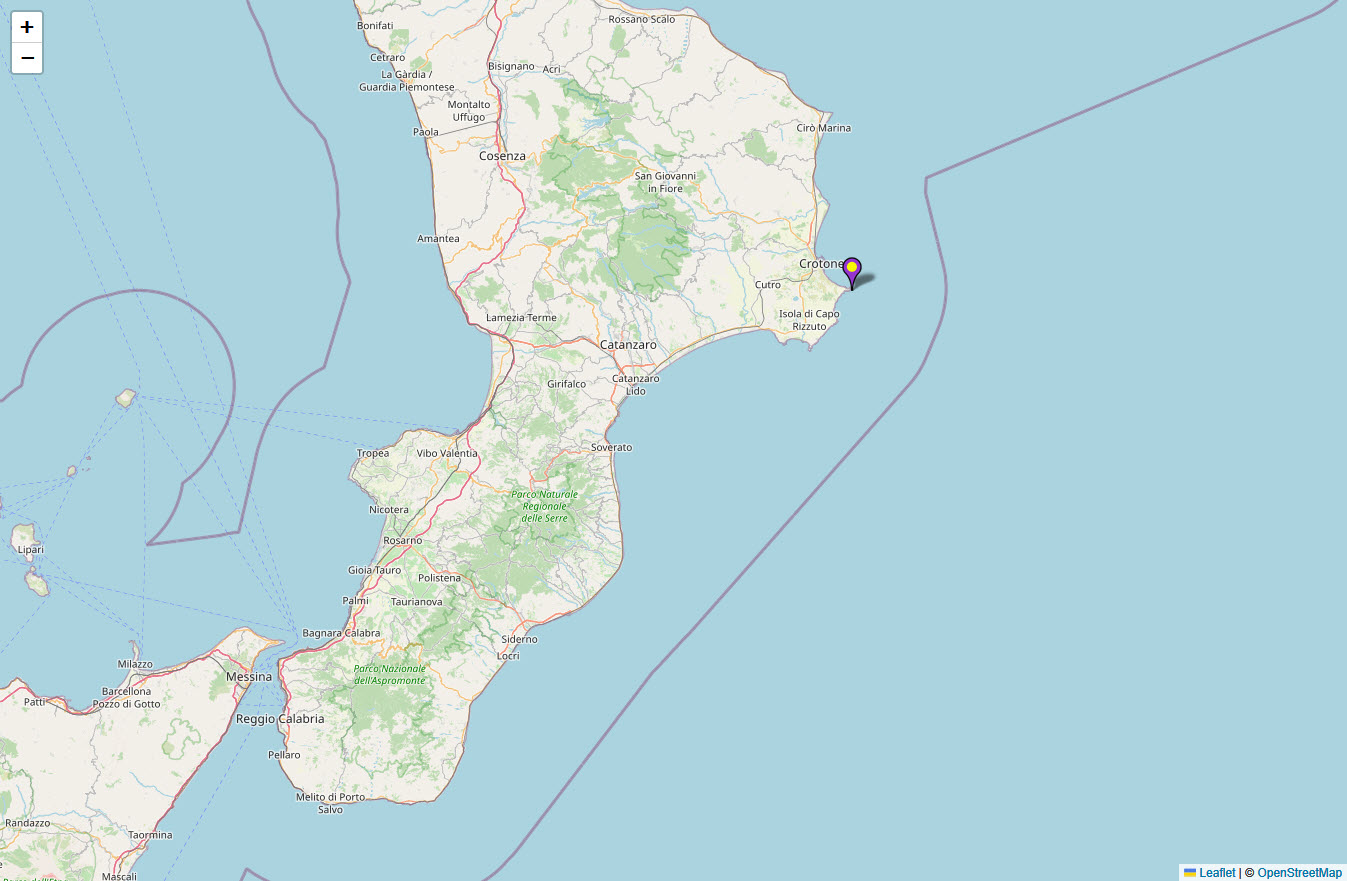
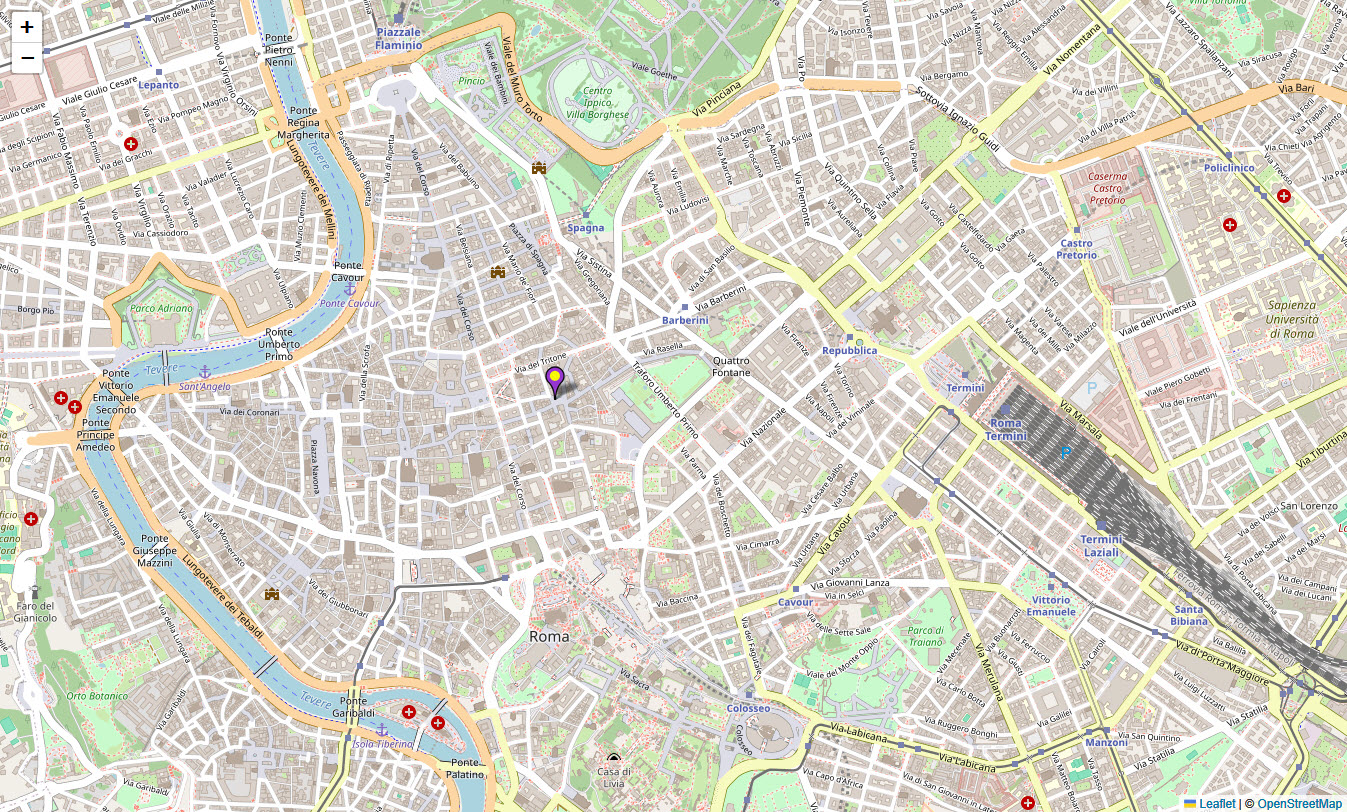
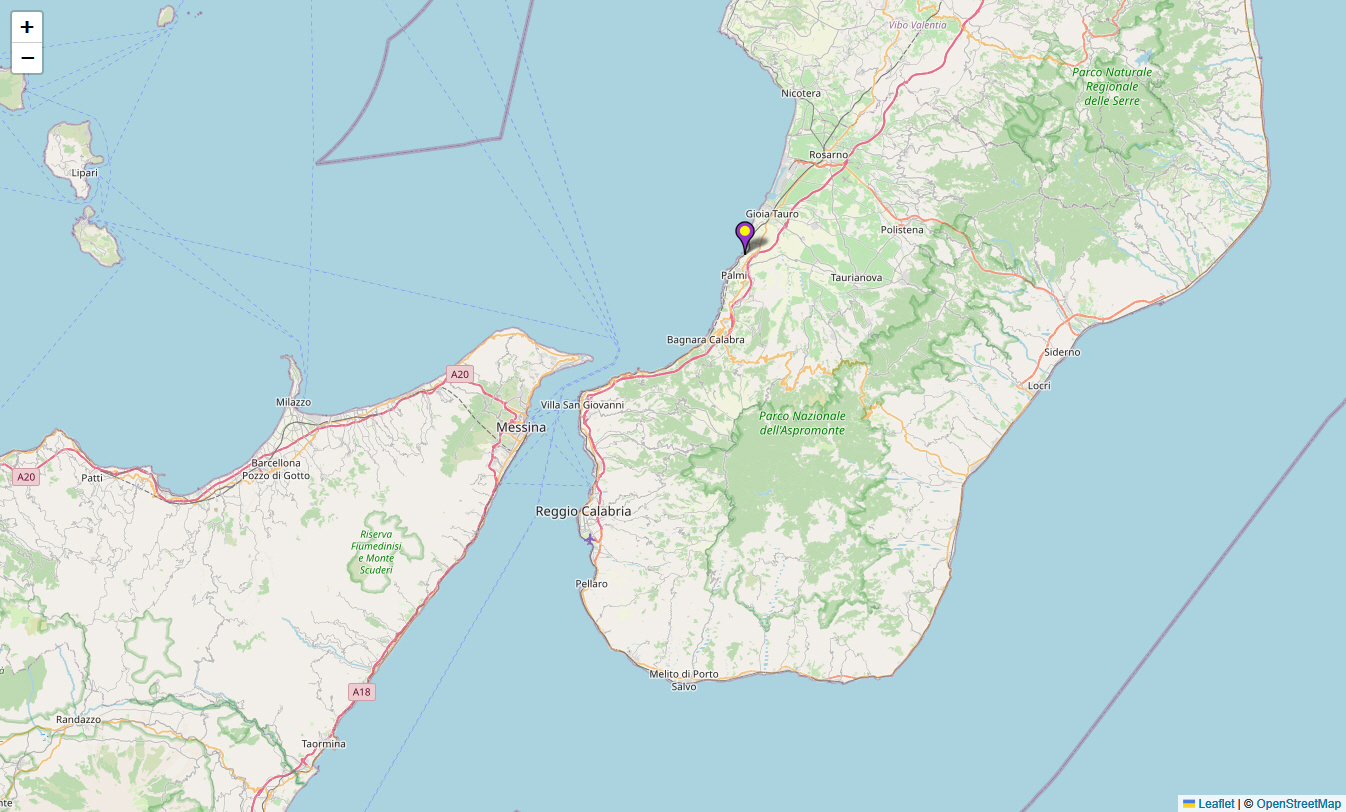
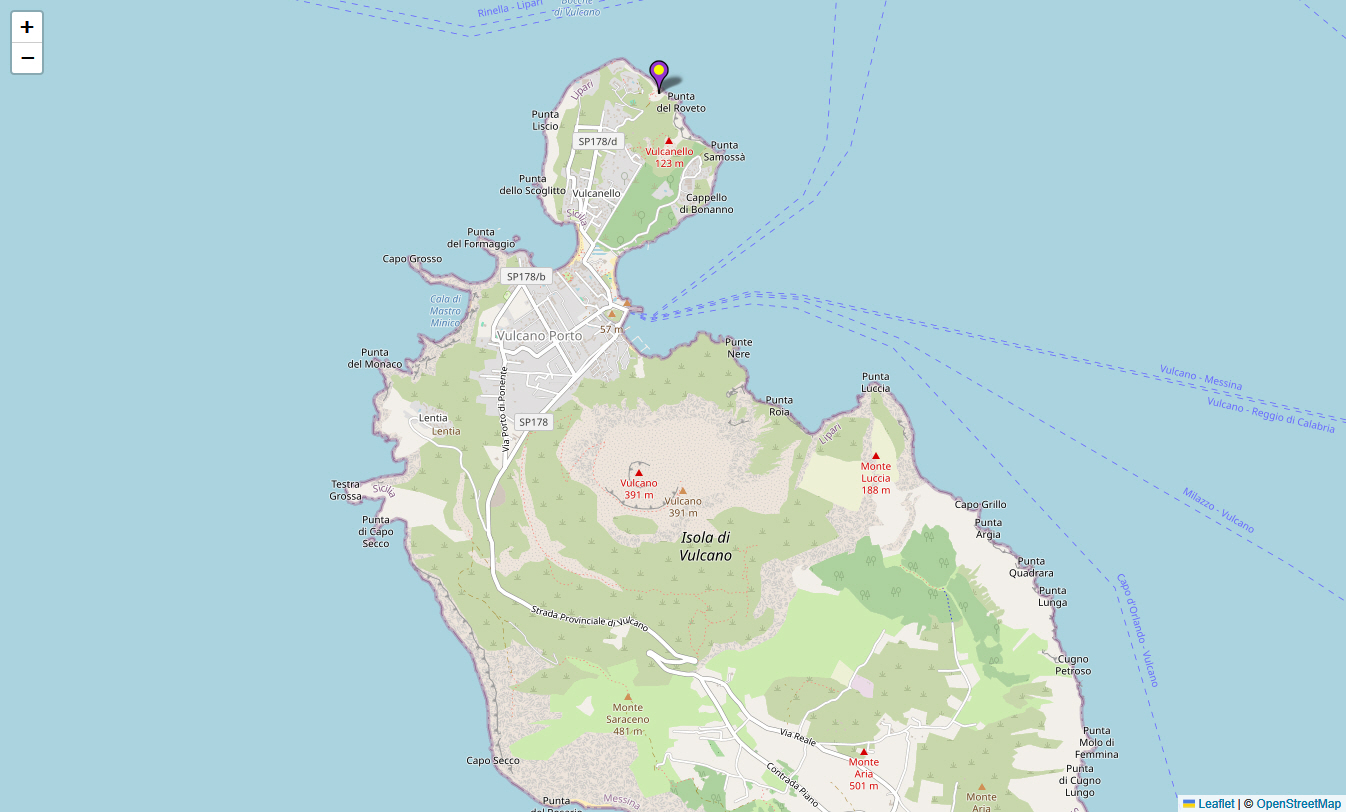
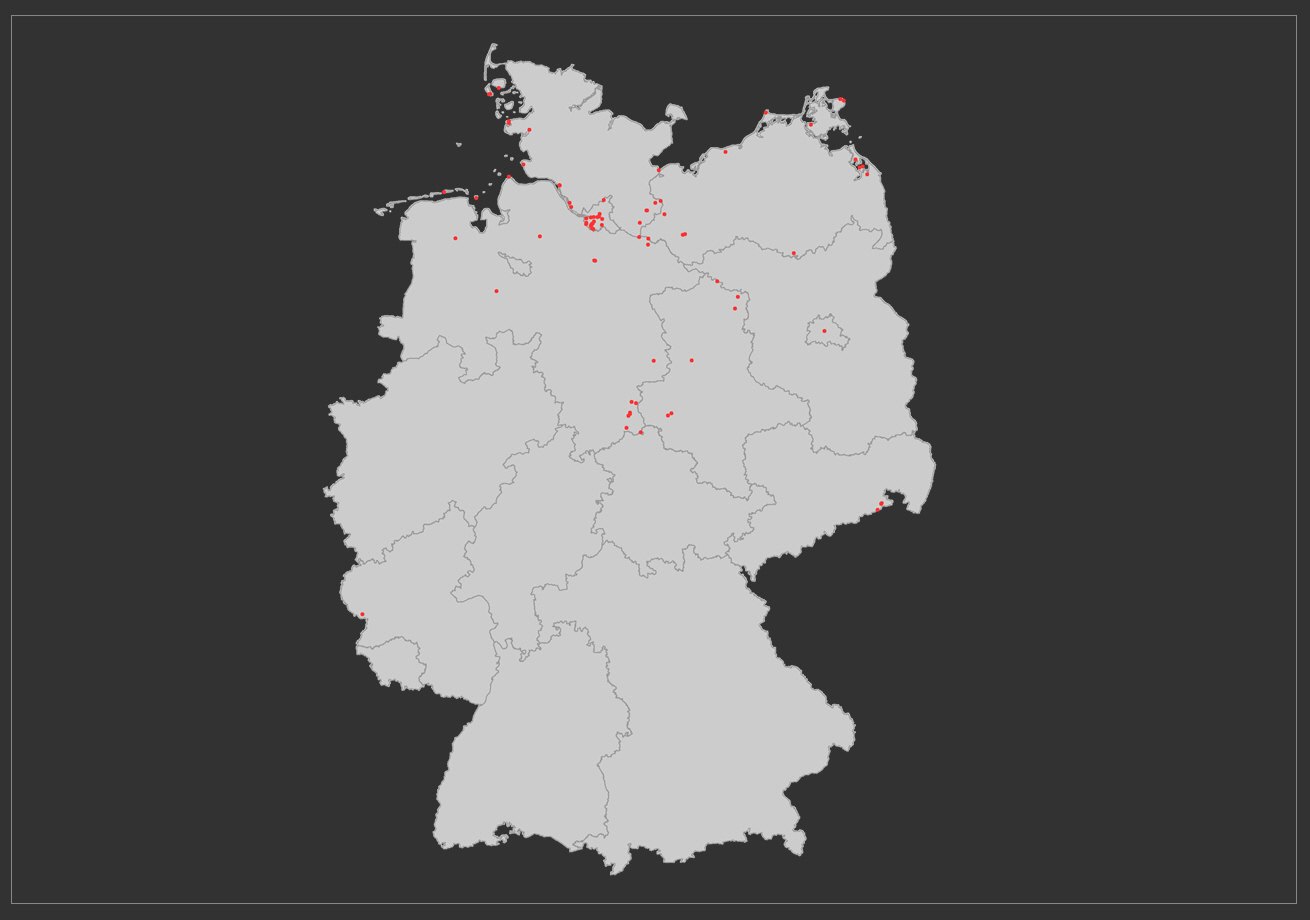
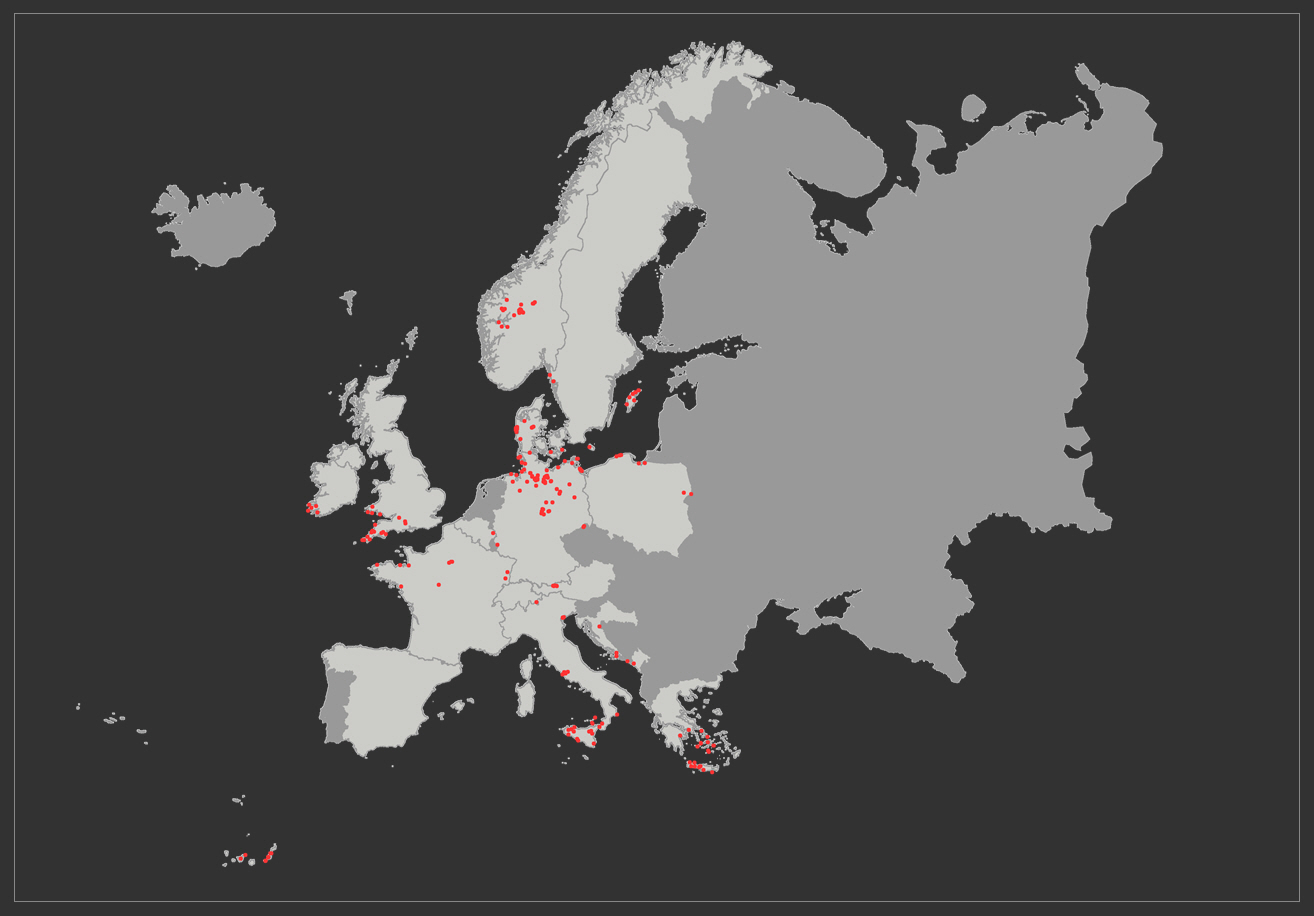
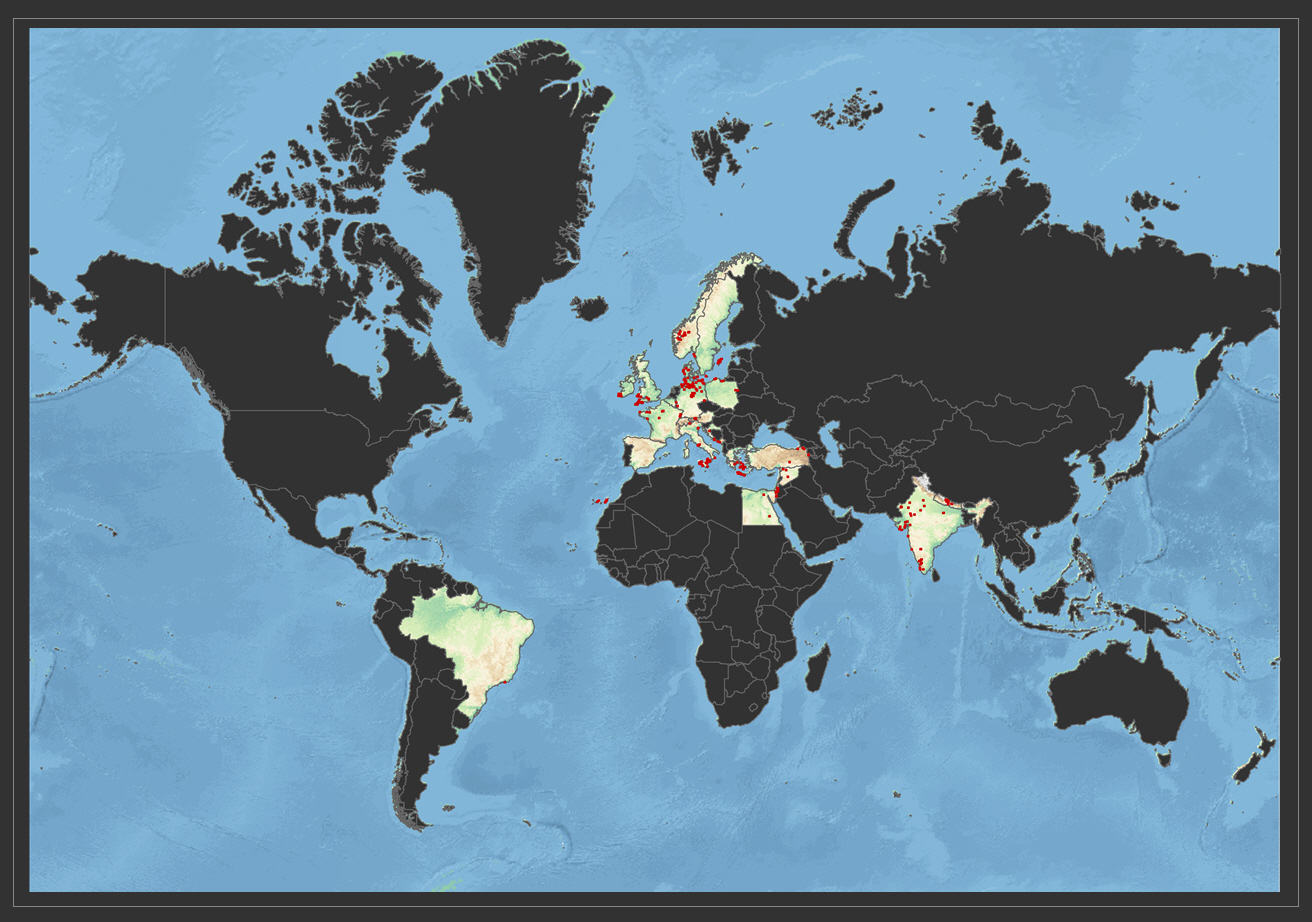
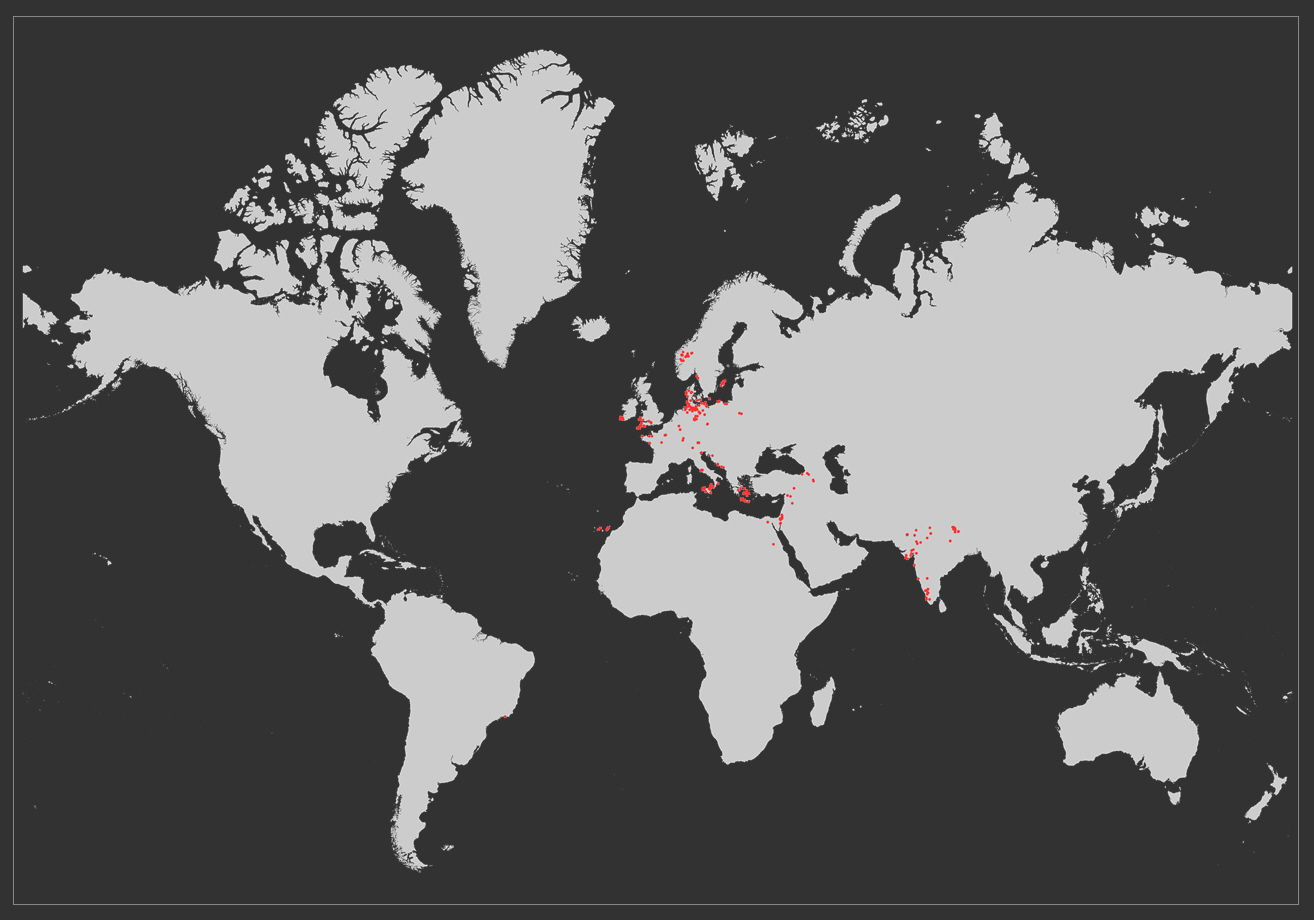
Stromboli als Teil der Liparischen Inseln vor Sizilien, Italien, 1988
Bilderläuterung / Image description
Mitten in meinem Geographie-Studium, im Jahr 1988, unternahm ich eine geologisch ausgerichtete Reise nach Sizilien, mit dem Fokus auf die Liparischen Inseln und den Ätna. Die Vulkaninsel Stromboli, die kleinste, aber spannendste der Liparischen Inseln, war mein drittes Ziel. Die Insel ist die Spitze des unterseeischen Vulkans Stromboli und dieser Stromboli hat eine besondere Eigenschaft: Er speist sich aus saurer, explosiver Magma und explodiert seit ewigen Zeiten in einem relativ konstanten Rhythmus. Dieses Phänomen war schon in der Antike bekannt und dieser Ausbruchstyp wurde nach diesem Vulkan als „strombolianischer“ Typ benannt.
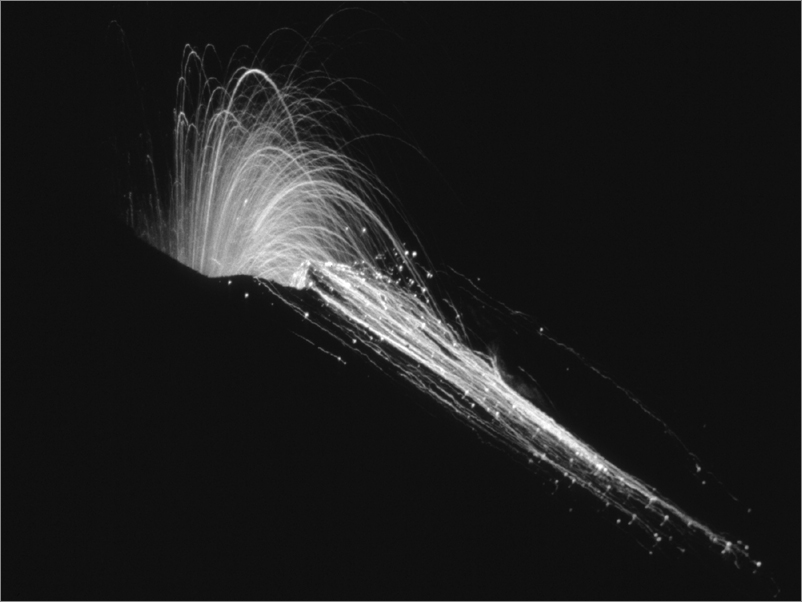
1988 erlebte ich etwa alle 30 Minuten einen Ausbruch des Stromboli. Damals war ein Aufstieg zum Krater relativ sicher, da die Eruptionen des Nebenkraters hauptsächlich in Richtung Meer erfolgten. Auch war es damals noch möglich, die Nacht oben in der Nähe des Kraters zu verbringen, um die wiederkehrenden Ausbrüche auch bei Nacht zu beobachten. Am frühen Nachmittag bestieg ich den Vulkan und verbrachte die gesamte Nacht dort oben am Kraterrand. Die Dämmerung und die Nacht boten mir sehr unterschiedliche und beeindruckende Ausblicke auf die Ausbrüche, die ich fotografisch festhielt. Besonders ein Ausbruch in der Nacht war heftiger, größere Mengen an Material stürzten den Hang hinab, wie auf diesem Bild deutlich zu sehen ist. Diese Nacht war ein unbeschreibliches und unvergessliches Erlebnis.
Stromboli eruption
Stromboli as part of the Aeolian Islands off Sicily, Italy, 1988
In the middle of my geography studies, in 1988, I undertook a geologically orientated trip to Sicily, focusing on the Aeolian Islands and Mount Etna. The volcanic island of Stromboli, the smallest but most exciting of the Aeolian Islands, was my third destination. The island is the tip of the undersea volcano Stromboli and this Stromboli has a special characteristic: it is fuelled by acidic, explosive magma and has been exploding at a relatively constant rhythm for ages. This phenomenon was already known in ancient times and this type of eruption was named after this volcano as the ‘Strombolian’ type.
In 1988, I experienced an eruption of Stromboli about every 30 minutes. At that time, it was relatively safe to climb up to the crater, as the eruptions of the secondary crater mainly took place towards the sea. It was also still possible to spend the night up near the crater to observe the recurring eruptions at night. I climbed the volcano in the early afternoon and spent the whole night up there on the crater rim. The twilight and the night offered me very different and impressive views of the eruptions, which I captured photographically. One eruption in particular at night was more violent, with large amounts of material tumbling down the slope, as can be clearly seen in this picture. That night was an indescribable and unforgettable experience.